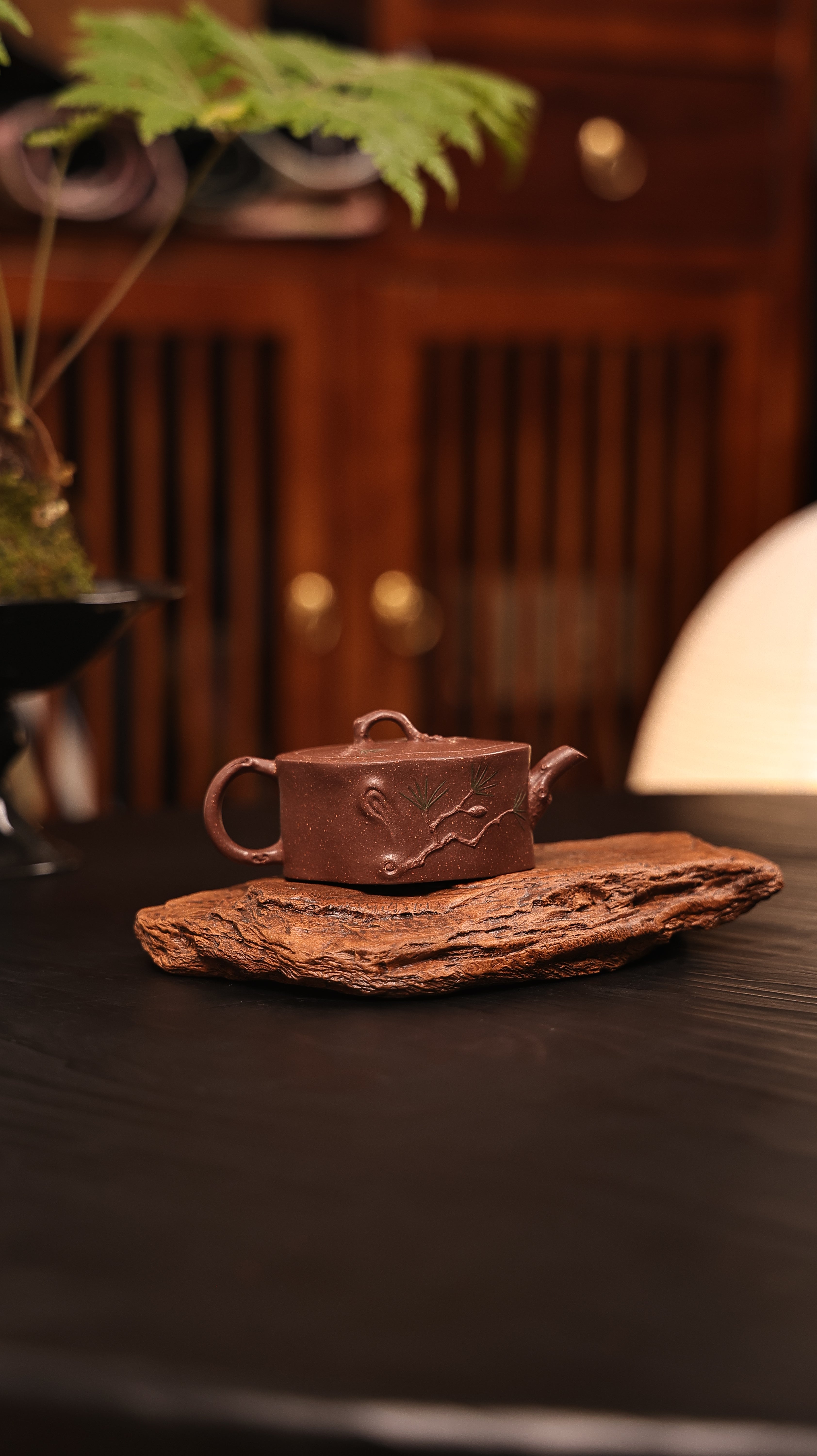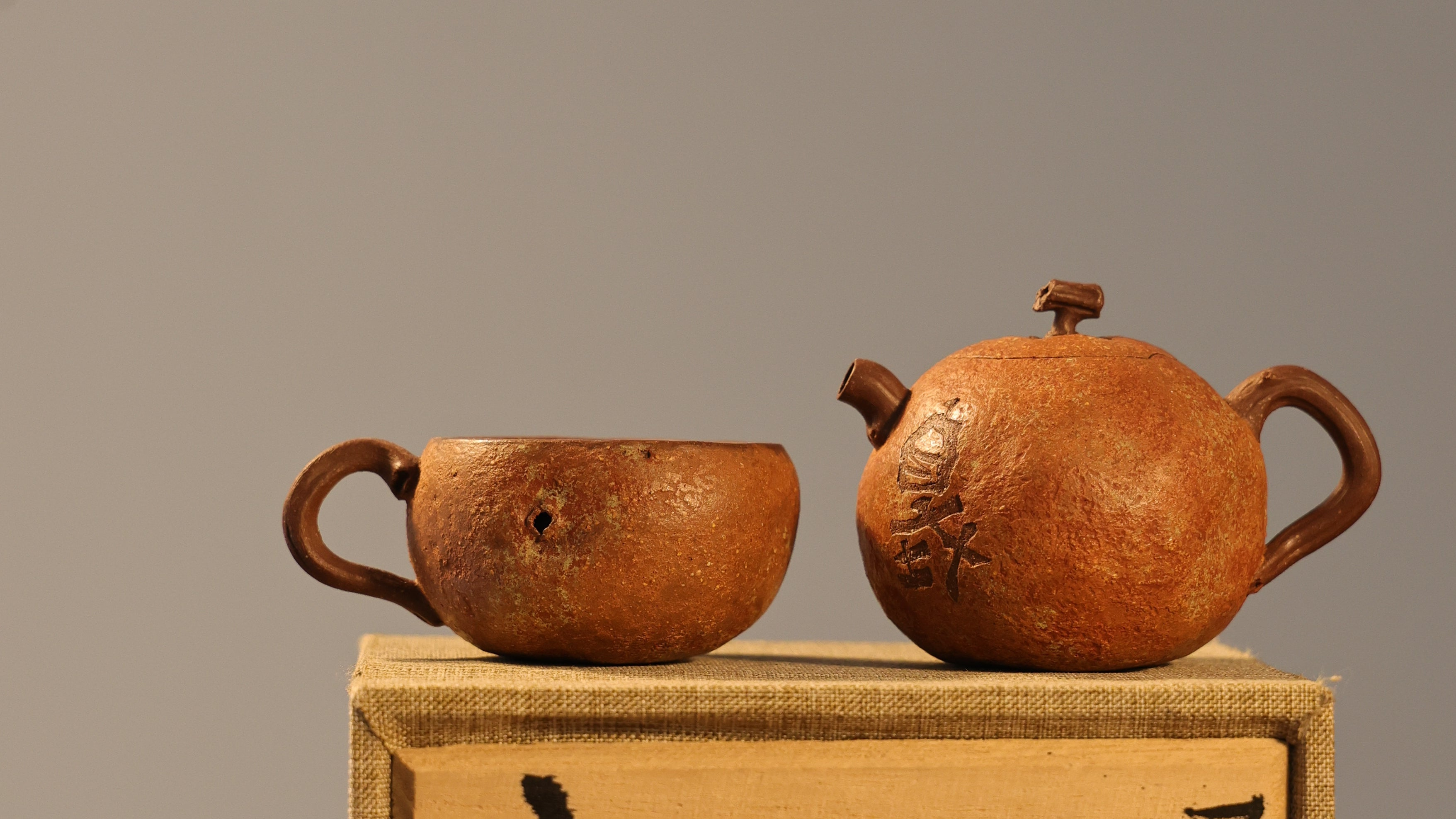
Everlasting tradition distinguishes Yixing earthenware across periods,
Illustrating unique traits derived through territorial amethyst components, the pots evolve a sheen across utilization, augmenting bouquet released from extracted drinks.
Exploring Yixing Dirt: Extensive Insights into Zisha
Varied collectors respect the peculiar consistency of Yixing plum clay, a base of heritage Chinese teaware. Coming from the Yixing region of Jiangsu province, this exceptional clay boasts an intricate mineral form, whereby contributes excellent qualities to the executed containers. Forms within Zisha, including Bing Mud, Duan Ni Mud, and Jiang Xi Mud, each demonstrates particular complexions, consistencies, and temperatures traits, altering the permeability and the final accent maturation of the drink.
Far Eastern Pottery Cultures: Understanding Mastery
Mandarin teapots embody over mere jars for beverage; they symbolize centuries of inherited artistry. From the renowned Yixing clay variations, respected for their porous nature which bestows exclusive notes to the concoction, to the subtle porcelain from Jingdezhen, each piece narrates a record of devotion. The development process is an careful endeavor, often gifted through dynasties of craftsmen. These artisans use traditional strategies such as hand-building, forming on wheels, and beautifying, demonstrating profound reverence for the element and the art itself. Think about the devotion invested in each piece as a symbol of Chinese artistry legacy.
- Purple sand flasks: a iconic offer.
- High-quality porcelain teapots: noted for their lightweight design.
- Crafting techniques: a difficult yet fulfilling procedure.
Fine Purple Vessel Safeguarding: Maintaining Your Beloved Piece
Appropriate care of your precious Yixing Zisha urn is necessary to enhancing its durability. Crafted from distinct purple sand dirt, these first-rate teapots build a warm patina after use, considerably boosting their allure. Withhold detergents; a delicate rinse with pleasantly warm water is satisfactory. Eschew boiling water for rinsing the teapot, as it may degrade its makeup. Allow it to air dry away from bright natural light. Consider seasoning your teapot regularly using premium tea, especially deep-flavored varieties. Here is a brief outline:
- Wash off with tepid aqueous solution.
- Resist agents.
- Allow it to dry fully.
- Mature with choice tea.
Beginnings of Yixing Teapots: Commencement
The story of Yixing teapots begins simply during the Song dynasty, close to the 16th epoch. Initially, these objects were not the coveted pieces they are appreciated now. They were formed by domestic potters using the specific purple clay extracted solely in the Yixing vicinity. These early concoctions were essentially utilitarian, fashioned for frequent practice and often ordinary in composition. It was not until the posterior dynasty that they opened to earn renown beyond mere serviceable crafts.
Selecting the Fitting Traditional Urn: A Initial Primer
Entering the domain of Yixing teapots can be daunting, but do not worrying! For rookies, the vital factor is understanding the substrate. True Yixing clay is prized for its permeability, allowing the teapot to absorb the tea's flavor over time, increasing every extracting session. Evaluate the design; traditional round shapes prevail, yet tailored preferences are important. Lastly, review the glaze—while some favor an unfinished appearance, others adore a light gloss. Take your time in the decision process—this is an investment in a adored piece of craft.
Yixing Teapots and Their Importance on Chinese Infusion Tradition
Zisha kettles, emerging from Yixing, China, have profoundly molded long-standing Chinese concoction culture. These Yixing clay teapots, prized for their recognizable pigment, feel, and exceptional ability to impart a subtle accent to the brew, serve as more than mere devices; they are appreciated artworks and symbols of prominence. The very act of preparing and serving elixir using a Zisha teapot is steeped in heritage, elevating the experience beyond simple refreshment. Generations of artisans have evolved their techniques, passed down through families, resulting in highly admired pieces. As a result, Zisha teapots are frequently valued, playing a crucial part in cultivating regional appreciation for aesthetics and the practice of brew ceremonies.
- Distinctive Clay Composition
- Bestowing Subtle Flavor
- Fine Craftsmanship
Spotting Authentic Exceptional Yixing Pots
Purchasing a real Yixing teapot can be a gratifying experience, but the arena is often swamped with fakes. Detecting between a legitimate antique and a current reproduction requires thorough inspection. Key markers include the clay's coppery shade, often displaying patterned signs, and the absence of modern burning imprints. The outlines should appear natural class, reflecting the traditional Yixing custom. Finally, researching the craftsman's imprint is vital to verify truthfulness against certified sources.
- Assess the clay's structure.
- Look for errors, indicative of manual quality.
- Employ an authority for verification.
Considering Purple Kettles: A Detailed Reference to Earthenware Awareness
The realm of Chinese Zisha earthenware delivers a outstanding opportunity for knowledgeable buyers. Gradually, the rate of these handcrafted artifacts is driven by many aspects, such as the class of Yixing Teapot clay substance, the proficiency of the fabricator, the legacy consequence, and, naturally, the current trade. Newcomers should prioritize on researching the diverse categories of Zisha clay—such as Glacial, Quiet Jug, and Crimson Soil—and studying the properties linked to each. Exact analysis of the container's figure, tone, and stamp is further crucial to make knowledgeable decisions when investing.