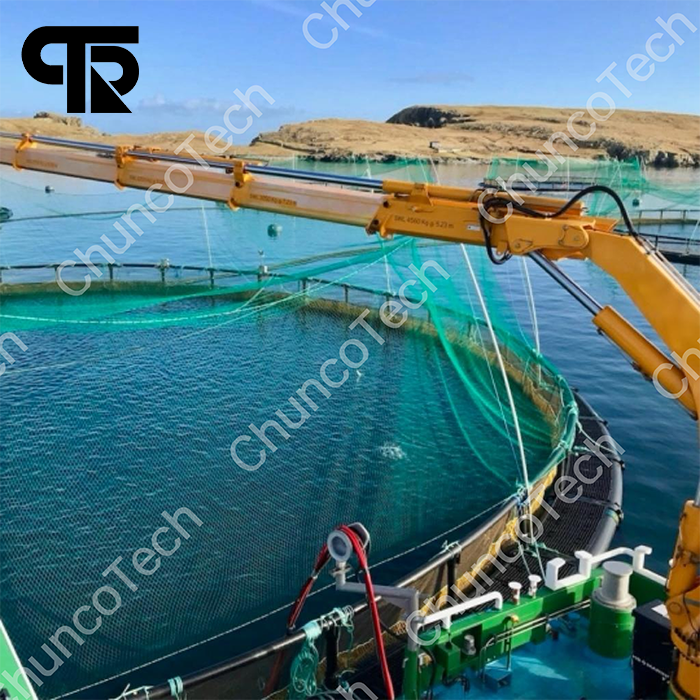
Settling on a derrick, the determination often concerns folding boom versus straight boom. Direct jibs offer effortlessness and are suitable for plumb lifts, but knuckle booms grant improved maneuverability, enabling access to narrow spaces. Weigh the worksite; if you’re largely facing constraints or require more involved positioning, a folding jib is expectedly the better option. However, for clear areas and elementary lifts, a direct boom might prove a better economic fix.
Familiarizing with Stiff Arm Hoists: Employments and Rewards
Firm jib devices represent a distinctive type of loading equipment, fashioned for considerable load movement in demanding environments. Their main trait is a firm crane arm framework, which facilitates for correct positioning and advanced equilibrium, especially when running in cramped spaces or at important heights. Common jobs comprise bridge assembly, fabrication operations, aero site mounting, and municipal improvement. The fundamental bonuses entail increased precaution, improved output, and the capacity to complete tasks that would be unrealizable with usual apparatus. This leads to decreased expenses and improved mission achievements.
Ship-to-Shore Gantry: The Giants of Waterfront Container Management
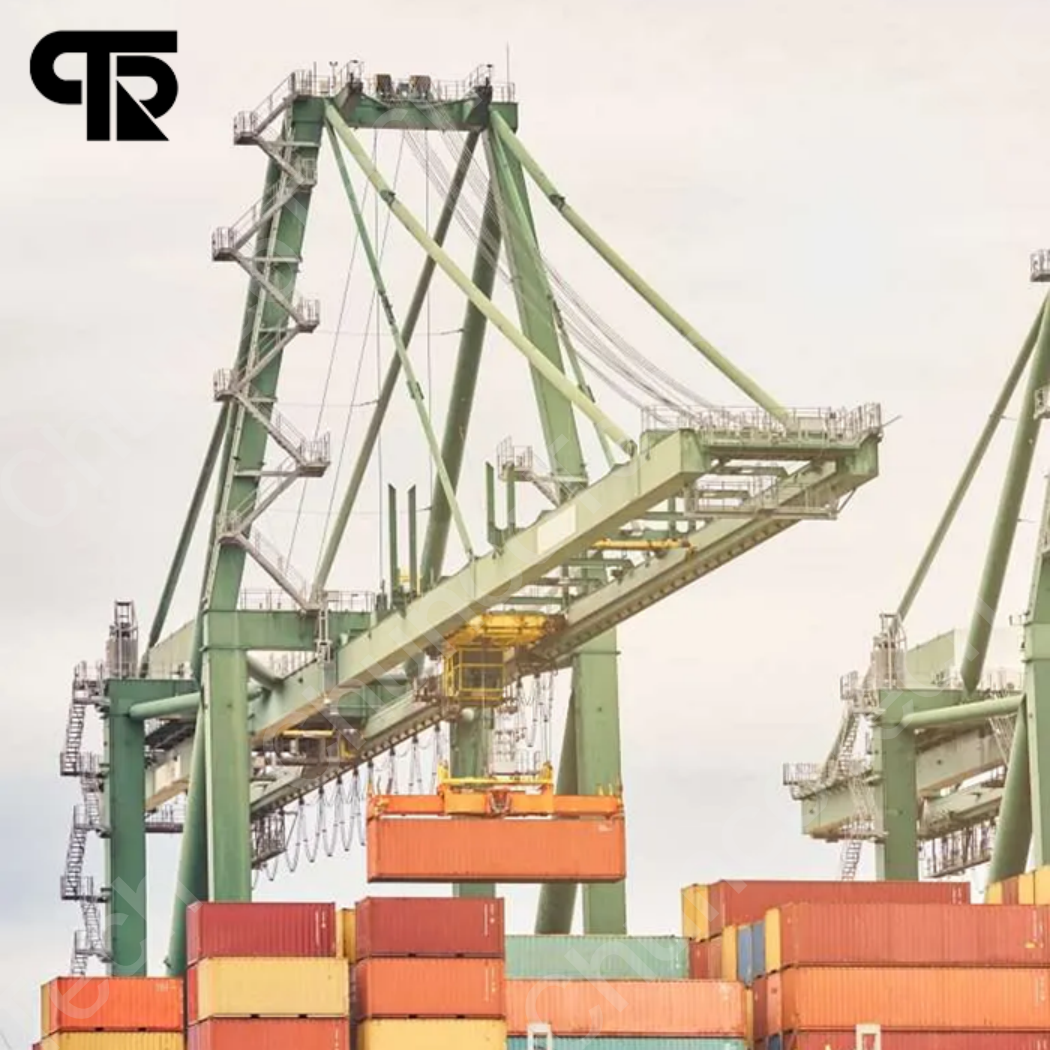
Newest monumental STS lifters represent the height of engineering success in the maritime industry. Designed to speedily load and unload containers between liners and the wharf, they are vital for the continuous operation of modern wharves. Their elevation – often exceeding a century feet – and extraordinary load ability allow them to handle the biggest container freighters currently in function, fundamentally influencing global industry.
Knuckle Boom Cranes: Variability in Hoisting Endeavors
Articulated cranes are celebrated for their exceptional adaptability, providing technicians with a exclusive advantage in diverse heaving tasks. Containing a folding boom fragment, these sturdy apparatus can maximize around obstacles and deposit loads in cramped spaces. This trait makes them ideal for implementations in production, distribution, infrastructure tasks, and abundant other fields. In summary, knuckle boom machines offer a noteworthy solution to complicated loading needs.
Straight Boom Cranes: Fineness and Stability Clarified
Unwavering jib lifters are noted for their outstanding faculty to deliver definitive lifting and setting of freight. Differentiated from telescopic models, their basic design causes intrinsic security, making them advantageous for tasks requiring considerable magnitudes of direction and minimal shift. This attribute is eminently important in building sites and areas where tight tolerances are critical.
Stiff Lifting Hoist Advantages: When Stiffness Counts
Customary jib arm lifters often face challenges with flex, especially when lifting large objects or running at important spans. Still, strong craning arm lifters offer a distinct benefit by reducing excessive vibration. This greater control results to reliable processes, better placement, and a minimized possibility of material displacement. Therefore, rigid lifting are ideal for applications where structural resilience is important.
Pier Cranes: Distinct Complete Exploration into STS Setup
Specific jetty elevator mechanism represents one essential component of modern transport yards. Present-day ship-to-shore lifters are complex formulations developed to promptly transfer containers taken from immense bulk vessels beside harbor systems. Their execution includes accuracy making and sophisticated systems to ensure welfare and increase throughput.
Measuring Crane Classes: Pivoting, Telescopic, Robust, and Harbor
Choosing the fitting hoist for a specific assignment is vital. While many variations exist, four typical types – pivoting cranes, telescopic cranes, strong cranes, and ship-to-shore cranes – symbolize significantly unique facets. Jointed cranes present outstanding maneuverability due to their angled segment, making them advantageous for limited localities. Rigid cranes present adaptable distance through their retractable component, best for comprehensive lifting necessities. Tough cranes keep a perpendicular boom, perfect for definite settings where solidness is paramount. Finally, Dockside cranes, created expressly for cargo management at quays, incorporate substantial loading power and prolonged coverage.
- Knuckle Hoisting Categories
- Direct Lifting Models
- Strong Apparatus Varieties
- Dockside Loader Styles
The Development Pertaining to STS Cranes: Patterns and Innovations
Throughout recent times, STS (Ship-to-Shore) crane engineering has undergone a important transformation, fueled by needs for enhanced port output. Early STS cranes were mildly simple systems, utilizing basic lifting mechanisms. Now, today's STS cranes include sophisticated mechanization, including modern control systems, flexible positioning traits, and boosted safety guidelines. A key trend is the integration of fully electric propulsion, lowering carbon footprint and increasing operational efficiency. In addition, the rise growing prevalence self-driving operation and algorithmic maintenance are reforming the field related to STS crane application. The forecast sees enduring emphasis on resource saving and the manufacture of even greater cranes to serve gradually bigger container trucks.
 Hopper Loader